4 Tips for Achieving Transitional Design in Your Living Room

Transitional design marries both contemporary and traditional styles, which can greatly vary. In the United States, the traditional design evolved from European styles heralding from the 18th and 19th centuries. Think millwork, wooden furniture, and soothing colors. Contemporary styles can range from mid-century to postmodern and may combine bold and stark colors or implement texture, geometry, and clean lines.
Combining these styles is the mark of transitional design, which simulates a relaxing environment while remaining stimulating and fun. A transitional living room is perfect for couples who may have different tastes or for the individual that can decide on a particular style. Here are five tips for achieving traditional design in your living room.
1. Color
Color sets the tone for the living room. The ideal color for a transitional living room tends to focus on deep neutrals to be eye-catching while promoting relaxation.
Earthy colors and blues can work well here also. Picture a dark green, steel gray, or chocolate brown. White is too stark and bare, but the latter colors do not over-excite or unsettle the viewer.
2. Furniture
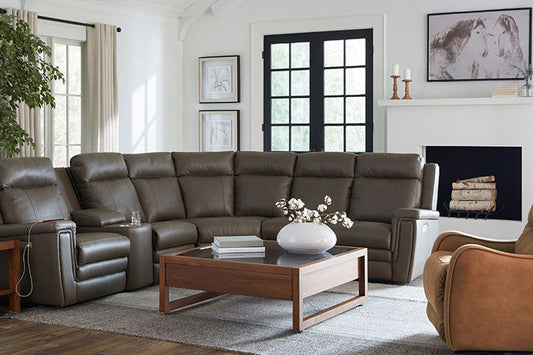
Transitional design marries the masculine and the feminine. A clawed sofa may feel old world, but combining straight lines with curves adds elegance and uniformity to result in a comfortable room. There are many choices for living room furniture in Tampa that satisfies transitional design.
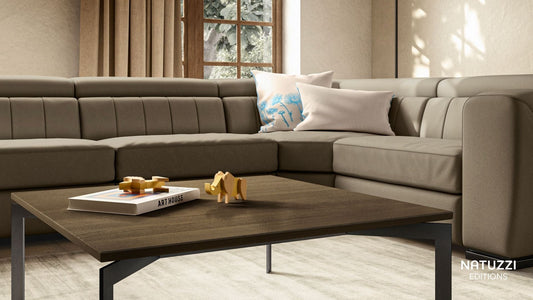
You might achieve this by purchasing a mid-century sofa, round glass coffee table, and add round footrests and cushions to the sofa. A bookshelf with your favorite titles is a wonderful way to add lines to a room while softening the room with curvier, comfortable furniture. The best place to search for variety is in a furniture store in Tampa, where every piece is selected and curated for quality.
3. Accessories
The sky’s the limit when it comes to accessorizing a transitional living room. Canvas photos showcase your family, an ocean scene, or master artworks. Knick-knacks collected over the years from relatives and your trips give your living room a lived-in feeling, but you also want to avoid clutter.
Showcase what’s important to you, but also remember that you are sharing your taste. Metal candlesticks, cloth coasters, eccentric figurines, or a colorful orchid are lovely touches to a room to pull off the final touches for a transitional living room.
4. Architecture
Another important factor in implementing transitional design is to consider the architecture of your living room. Are the architectural features of the room more traditional or modern? If you have traditional moldings and trim, you would focus more on furniture with clean lines and keep fabrics neutral and warm in color.
In this case, mid-century furniture would be a great choice. To add curves to your living room, you might consider displaying painted records on the wall or placing circular pillows on the couch.
What Does Transitional Design Embody?
Who decorates their home in the transitional style? The individual who decorates with a transitional style celebrates freedom and does not tend toward extremes. Balance and comfort are important, but the eccentric elements of the contemporary world ground you in innovation and potential.
Decorating a living room in the transitional design presents opportunities, not limitations, as you take inspiration from various eras and aspects of design. You decide what elements you want to be contemporary and what you want to be traditional.
The creativity and freedom of transitional design are yours. You can have a neutral room filled with mid-century furniture and figurines that belonged to your grandmother. You have a ruby red room filled circular leather couches and shiny chrome. You can find all of these trends at our showroom filled with living room furniture in Tampa. So, don’t hesitate to contact us or visit us at one of our five convenient locations.